
Table of Contents
- Introduction
- Understanding Ground Faults
- Importance of Early Fault Detection
- How Fault Monitoring Technology Works
- Top Benefits of Modern Fault Detection Systems
- Applications Across Different Industries
- Key Factors to Consider Before Installation
- Why Accutek Technologies
- Conclusion
- FAQs
Introduction
Earth Fault Indicator technology has become an important part of modern electrical infrastructure. Industries today depend heavily on reliable power distribution systems to maintain productivity, safety, and operational efficiency. Whether it is a manufacturing facility, utility substation, renewable energy plant, hospital, airport, or commercial complex, uninterrupted electrical performance remains essential.
Electrical faults are among the most common causes of unexpected outages and equipment failures. Earth Fault Indicator When a fault develops within a distribution network, identifying its location quickly can be challenging. Traditional inspection methods often require significant time and labor, leading to extended downtime and increased operational costs.
Modern monitoring solutions simplify this process by providing immediate visibility into abnormal conditions. These systems help maintenance teams locate issues faster, minimize disruptions, and improve overall network performance. As organizations continue investing in smarter infrastructure, advanced fault detection technologies have become critical tools for ensuring safe and reliable power distribution.
Understanding Ground Faults
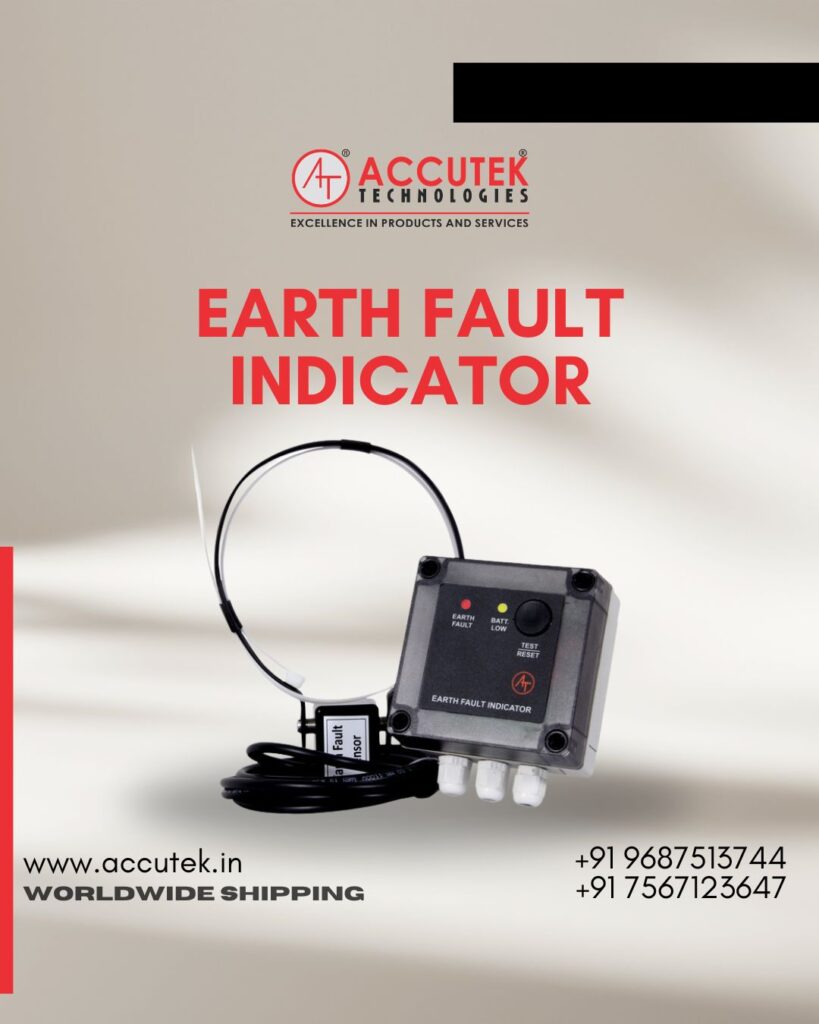
A ground fault occurs when electrical current unintentionally flows from its intended path to the earth or a grounded surface. This abnormal condition may result from insulation breakdown, moisture penetration, cable damage, equipment aging, installation mistakes, or environmental factors.
Although some faults appear minor at first, they can gradually develop into serious problems if left unresolved. Excessive leakage current may damage transformers, Earth Fault Indicator switchgear assemblies, motors, generators, and distribution cables. In extreme cases, it can create safety hazards for personnel and increase the risk of electrical fires.
Because of these risks, utilities and industries increasingly rely on intelligent monitoring systems capable of identifying abnormal conditions before significant damage occurs.
Importance of Early Fault Detection
Power distribution systems are expected to operate continuously and efficiently. Any interruption can affect productivity, customer service, and operational performance.
When maintenance teams lack visibility into fault conditions, locating the affected section often becomes a lengthy process. Earth Fault Indicator Technicians may need to inspect multiple feeders, panels, and cable routes before identifying the root cause. During this period, downtime continues to increase.
Early detection offers several advantages. It shortens troubleshooting time, improves maintenance efficiency, reduces repair costs, and helps organizations restore operations more quickly. It also supports compliance with electrical safety practices and industry standards.
According to international guidance from the International Electrotechnical Commission (IEC), effective monitoring and protection systems contribute significantly to safer and more reliable electrical infrastructure.
How Fault Monitoring Technology Works
Detection Process
An Earth Fault Indicator continuously observes current behavior within a distribution network. Under normal operating conditions, electrical current remains balanced and follows its intended path.
When an abnormal current flow develops, the monitoring device detects the change and activates an indication mechanism. Earth Fault Indicator This allows operators to identify the affected section and initiate corrective action without unnecessary delays.
Depending on the system design, notifications may be delivered through:
- LED indicators
- Mechanical flags
- Relay outputs
- Remote alarms
- Wireless communication
- SCADA integration
The primary objective is to provide clear and immediate information regarding network conditions..
Core Components
Most modern systems include several key elements:
- Current sensors
- Detection circuitry
- Indication modules
- Communication interfaces
- Power supply units
- Reset functions
Together, these components provide accurate and dependable monitoring across various operating environments.
Top Benefits of Modern Fault Detection Systems
Faster Problem Identification
Earth Fault Indicator: One of the greatest advantages of intelligent monitoring equipment is its ability to identify affected network sections quickly. Instead of manually inspecting large areas, maintenance personnel receive immediate fault information.
This significantly reduces diagnostic time and accelerates repair activities.
Improved Workplace Safety
Electrical faults can create dangerous conditions for workers and operators. Earth Fault Indicator: Early notification enables corrective action before risks escalate into serious incidents.
Enhanced safety remains a major reason organizations invest in advanced monitoring technologies.
Reduced Operational Downtime
Every minute of downtime impacts productivity and profitability. Rapid fault location helps organizations restore service faster and minimize disruption to critical operations.
Better Equipment Protection
Electrical assets represent substantial investments. Transformers, cables, switchgear, and motors can suffer extensive damage when abnormal conditions remain active for long periods.
Timely fault identification helps protect equipment and extend operational lifespan.
Lower Maintenance Costs
Traditional troubleshooting methods often require extensive labor and testing procedures. Automated indication systems reduce maintenance effort and improve resource utilization.
Stronger Network Reliability
Reliable power delivery is essential for industrial and commercial operations. Continuous monitoring supports greater stability by helping operators address issues before they spread throughout the network.
Support for Predictive Maintenance
Data collected from monitoring equipment can help identify recurring issues and long-term trends. This information supports predictive maintenance programs and reduces unexpected failures.
Smart Infrastructure Integration
Many modern systems integrate seamlessly with digital monitoring platforms, allowing operators to access real-time information from centralized control rooms.
Wide Application Flexibility
These technologies are suitable for utility networks, industrial plants, commercial facilities, healthcare institutions, renewable energy projects, and transportation infrastructure.
Long-Term Financial Benefits
Reduced downtime, improved asset protection, and lower maintenance expenses contribute to substantial long-term savings.
Applications Across Different Industries
Utility Distribution Systems
Power utilities use advanced monitoring equipment to improve outage response times and enhance service reliability.
Manufacturing Facilities
Production environments depend on continuous electrical availability. Fast fault identification helps prevent costly interruptions and production losses.
Renewable Energy Projects
Solar and wind installations require dependable protection systems to maintain operational efficiency and maximize energy generation.
Commercial Buildings
Office complexes, shopping centers, hotels, and educational institutions benefit from improved safety and reduced service interruptions.
Healthcare Facilities
Hospitals rely on stable electrical infrastructure to support critical medical equipment and patient care systems.
Data Centers
Digital infrastructure demands maximum uptime. Reliable monitoring solutions help maintain continuous operations and reduce risk.
Key Factors to Consider Before Installation
Before selecting a monitoring solution, organizations should evaluate:
Network Voltage Requirements
Equipment specifications should align with system voltage levels.
Environmental Conditions
Outdoor installations may require additional protection against dust, moisture, and temperature fluctuations.
Communication Capabilities
Facilities using centralized monitoring should choose systems that support remote communication and integration.
Maintenance Requirements
Reliable equipment with minimal maintenance needs can reduce long-term ownership costs.
Future Expansion Plans
Scalable solutions provide greater flexibility as infrastructure grows.
Why Accutek Technologies
Accutek Technologies provides innovative electrical monitoring and protection solutions designed to meet the demands of modern power distribution systems. The company focuses on reliability, performance, and safety while helping customers improve operational efficiency and reduce downtime.
Its products are engineered to support effective fault management across industrial, commercial, and utility applications.
The International Electrotechnical Commission (IEC) is the world’s leading organization for the preparation and publication of international standards for electrical, electronic, and related technologies.
Conclusion
The Earth Fault Indicator remains a valuable component in modern electrical networks. By enabling rapid fault identification, improving safety, protecting equipment, and supporting reliable power distribution, it delivers significant operational advantages across multiple industries.
As organizations continue adopting smarter infrastructure and advanced maintenance strategies, intelligent monitoring systems will play an increasingly important role in maintaining network stability and operational efficiency. Investing in dependable fault detection technology is a practical step toward safer, more reliable, and more cost-effective electrical operations.
FAQs
What is an Earth Fault Indicator?
An Earth Fault Indicator is a device designed to identify and indicate ground faults within electrical distribution systems.
Why is fault monitoring important?
It helps operators detect abnormal conditions quickly, improving safety and reducing downtime.
Where are these systems commonly used?
They are widely installed in utilities, industrial facilities, renewable energy projects, hospitals, commercial buildings, and data centers.
Can monitoring devices integrate with SCADA systems?
Yes, many modern solutions support remote monitoring and SCADA communication.
How do they reduce maintenance costs?
They shorten fault location time, reduce labor requirements, and improve maintenance efficiency.